
To Buy Diclofenac Online Visit Our Pharmacy ↓
 Diclofenac Patches and Gels Explained — Topical Options, Benefits, Application Tips
How Diclofenac Patches and Gels Work
An ache meets a cool, medicinal touch as topical NSAID formulations deliver drug directly to sore tissue, offering local relief without heavy pills.
Diclofenac blocks COX enzymes and reduces prostaglandin production locally, lowering inflammation and pain while minimising systemic exposure and related risks for many.
Patches provide steady delivery over hours, while gels and solutions soak in quickly and can be massaged into tight muscles for targeted effect.
Relief can begin within hours and last all day; Occassionally skin irritation happens, so follow directions and consult your clinician if needed.
Comparing Formulations: Patches, Gels, and Solutions
Patients often narrate rituals when managing joint pain: wiping skin, feeling the cool gel, or pressing a patch in place. Topical diclofenac offers focused relief that feels immediate and avoids teh systemic buzz of pills.
Gels spread thin, absorb quickly, suit large areas; patches provide slow, steady delivery for a targeted spot. Solutions or sprays reach awkward curves; handy for on-the-go touchups.
Choosing often depends on area, daily routine, and sensitivity — sometimes a combination works best. Discuss options with a clinician to acheive best balance between convenience and efficacy.
Top Advantages: Pain Relief and Reduced Systemic Risk
Teh first relief is often surprising: local stiffness eases as the active ingredient targets inflamed tissues. Topical delivery focuses medication at the site, allowing quicker onset for aches that limit movement.
Products like diclofenac gels and patches reduce the need for oral dosing, lowering exposure to stomach and cardiovascular risks associated with systemic NSAIDs. People report effective pain control with fewer side effects.
The convenience of once-daily patches or rubbing-in gels helps maintain activity. Discuss duration and skin care with your clinician to acomplish safe, sustained use and monitor response.
Correct Application: Dosage, Timing, and Skin Preparation
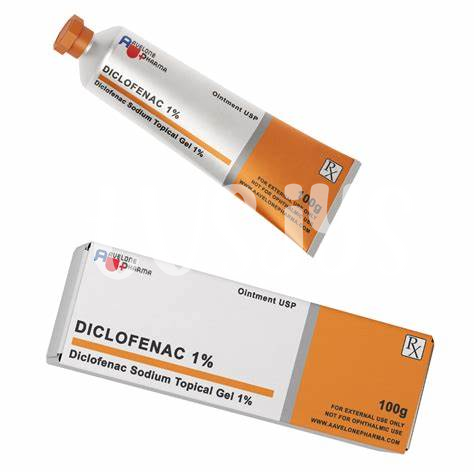
Start by imagining a sore joint and a simple routine: cleanse the skin, dry gently, and measure the prescribed amount. For diclofenac gels apply a thin layer and rub until absorbed; patches should sit on intact skin with edges pressed down. Allow several minutes before dressing so the medicine binds to the target area.
Timing matters: use topical NSAIDs at regular intervals and avoid more than recommended daily exposure. Wash hands after applying unless treating the hands. If irritation or rash develops stop use and seek advice; systemic side effects are rare but inform your clinician about other medications to reduce risk. Small adjustments in timing can make treatment more effective as neccessary between doses.
Safety and Side Effects: What to Watch for
I reached for a diclofenac patch after a long day of gardening, and it eased my ache within hours, but the story wasn't all comfort. Topical preparations can cause local redness, itching or a rash — sometimes a true allergic reaction — so check the skin daily and avoid applying to cuts or eczematous areas. Use only as directed, and don't cover the area with tight bandages unless advised.
Systemic effects are much less common than with oral NSAIDs, yet they can Occassionally occur: dizziness, headache, or gastrointestinal upset, and serious cardiovascular or renal problems are rare but possible in vulnerable patients. Avoid combining topical diclofenac with oral NSAIDs unless your clinician agrees, and stop use if you notice unexplained swelling, breathing difficulty, or severe stomach pain. When in doubt, seek medical advice promptly. Carry a medications list to share with clinicians.
Choosing the Right Option: When to Use Which
When deciding between a patch and a gel, think about daily activities. Patches deliver steady doses under occlusion, ideal for overnight relief, hard-to-reach joints, or when you need hands-free therapy; gels absorb faster and target irregular surfaces or flare-ups with immediate cooling. Consider skin sensitivity and hair — patches can irritate and gels may stain clothing, wich matters with delicate fabrics.
Weigh systemic risk and dosing: topical forms lower blood levels so they're safer for older adults with GI or cardiac issues, though they don't eliminate NSAID risks. Use patches for daily control and gels for sudden flares or pain. Stop if rash or severe irritation occurs; occassionally consult your clinician about combining with NSAIDs. NHS: Diclofenac EMA: Voltaren (diclofenac)
